
Approach
Each therapist has their unique way of working. Here are hints of mine.

Tenderness and interdependence
Tenderness is a mode of contact that invites us to lower our defence and show ourselves vulnerable in front of the other person, daring to take care of ourselves and let ourselves be cared for, because we need each other.
Therapeutic approach
Gestalt Field Therapy
I accompany using language and the body, which is a witness to the experiences that cross us, helping us to put words to what we have lived.
Therapy becomes a space of listening committed to suffering, where you can understand and transform your discomfort. We work in the present because it is the time when it is possible to act, learn and invent new ways of facing and solving difficulties.
From gestalt field therapy, I look at people in relationship, interconnected, and interdependent.
This prompts me to consider the social, interpersonal and structural context, understanding that experiences are impacted by the environment and vice versa.

INTERSECTIONAL PERSPECTIVE
What does the feminist perspective bring to therapy?
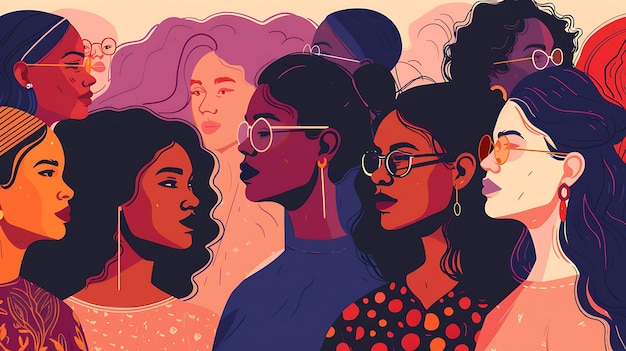
What is not named does not exist.
Inequality causes suffering and affects the mental health of those who experience it. That is why I accompany from committed listening, trying not to reproduce the patriarchal mandates of society and its power structures within therapy, reviewing my own history and practice.
Intersectionality offers safety, recognition and respect.
It highlights the suffering caused by inequality and discrimination, deciphering the mechanisms of systemic oppressions such as gender and sexual violence, racism, LGBTIQA+phobia, ableism or fatphobia.
Reasons for therapeutic care
Areas of Interest
Interculturality and migration
We work on the complexity and the various layers that interculturality and migration bring in the ways we relate to each other, both in the couple and the family and in the social and cultural context, with an anti-racist perspective.
LGBTIQA+ and sex-affective diversity
I support your self-knowledge and exploration, both of your identity and desires and of the relational structures that organise your life, beyond pre-established normative models.
Gender and sexual violence
I commit to receiving your truth without judgement, to support the elaboration of what has been experienced, and to provide a critical perspective that allows us to understand the structural mechanisms that sustain violence.
Trauma and grief
The elaboration of pains that could not be fully lived at some point and were trapped is facilitated through conversation and body work, allowing integration of the experience and creative adaptation.
Frequently asked questions
If you have a doubt, I try to clarify it here.